


Most companies know that recognizing employees is important, but many recognition programs repeat the same mistakes.
Employees often get the same gift or gift card, no matter what they actually want. HR teams spend a lot of time handling rewards and distribution. As a result, participation can drop because the process feels more like a transaction than something meaningful.
If your clients want to boost employee engagement, build a stronger company culture, and make recognition more memorable, an online store can offer more than just merchandise.
Modern stores have grown from basic ordering sites into useful tools for employee recognition, service awards, incentives, wellness programs, and peer-to-peer recognition. When set up well, they offer something traditional programs often miss: employee choice.
This blog looks at why store-powered recognition programs are becoming more popular, how they work, and the business benefits they can bring.
Why Traditional Employee Recognition Programs Typically Fall Short
Most organizations know that employee recognition is important. The real challenge is making sure that recognition really matters to employees.
Many programs take a one-size-fits-all approach. Employees get the same branded item, catalog reward, or gift card, no matter what their interests are.
Imagine giving every employee the same birthday present. Some would love it. Others wouldn’t use it at all.
The same thing happens with recognition programs.
What one employee values, another might find irrelevant. When rewards feel generic, recognition loses its impact.
Employers deal with challenges as well. Traditional recognition programs often require teams to:
- Purchase rewards manually
- Track eligibility and award levels
- Manage inventory
- Coordinate distribution
- Handle questions and exchanges
As programs get bigger, the administrative work increases too. Eventually, organizations start looking for a better way to recognize employees and cut down on the work needed to manage rewards.
The Shift Toward Employee Choice
Today’s workforce is more diverse than it has ever been.
Employees vary in age, location, interests, lifestyles, and priorities. Because of this, many organizations are moving away from fixed rewards and toward programs that let employees pick their own rewards.
Instead of selecting rewards for employees, employers provide points, credits, or store currency. Employees then redeem those rewards through an online store.
Some may choose premium apparel. Others may prefer technology accessories, home office products, travel gear, drinkware, or lifestyle items.
Being able to choose is often just as valuable as the reward itself.
When employees pick their own rewards, recognition feels more personal and meaningful. At the same time, employers avoid much of the guesswork that is involved in selecting rewards.
What Is a Recognition Program Powered by an Online Store?
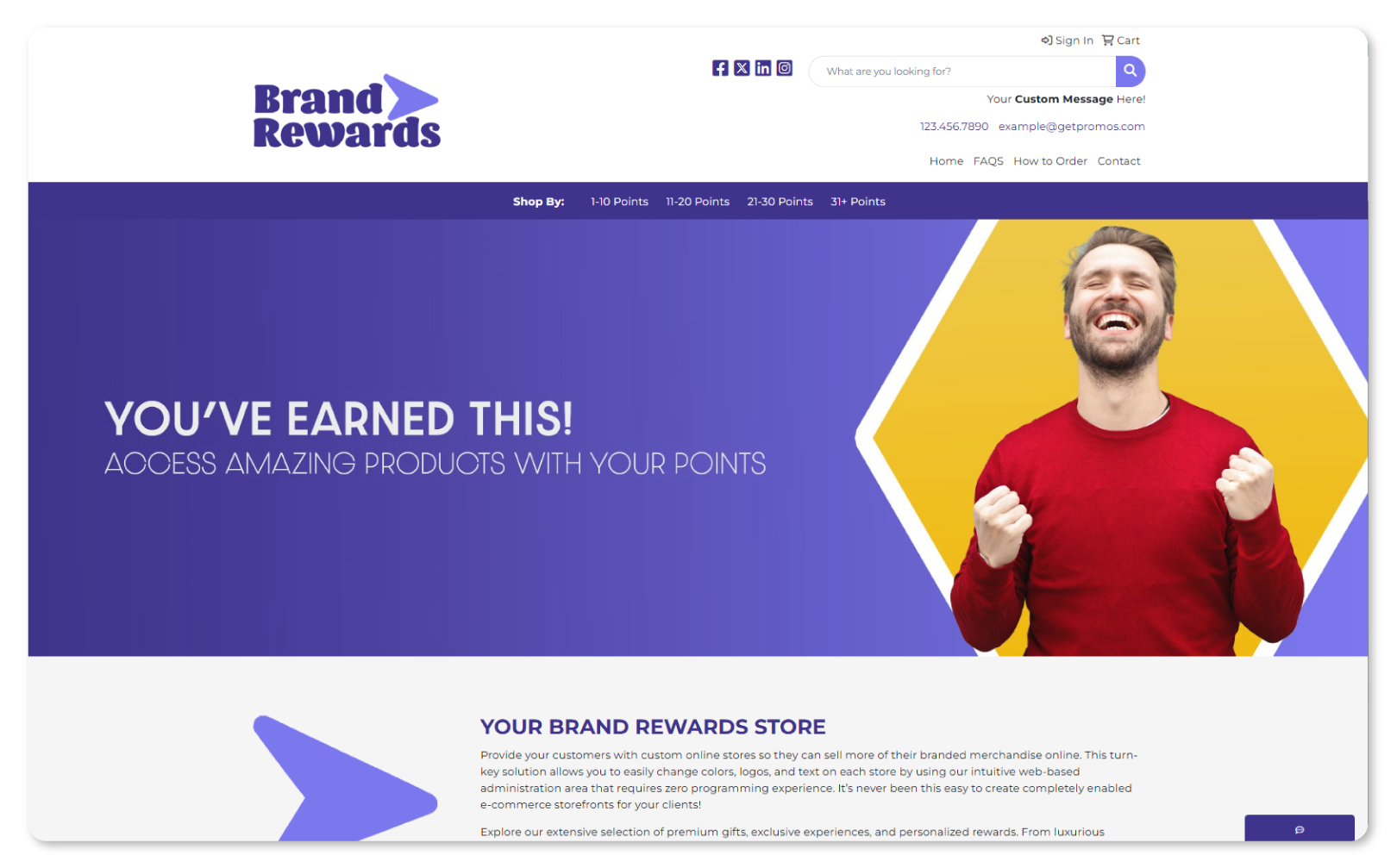
A store-based recognition program brings employee recognition and a central reward platform together.
The process is simple:
- An employee earns recognition.
- The employee receives points or store credit.
- The employee logs into the store.
- The employee selects preferred rewards.
- The order is fulfilled through the program.
For employees, the experience is a lot like online shopping.
For employers, it creates a system that can grow easily and helps manage recognition.
Store-powered recognition programs can support:
- Service anniversary awards
- Employee of the month programs
- Sales incentives
- Safety recognition initiatives
- Wellness programs
- Training milestones
- Peer-to-peer recognition
- Spot awards
Instead of juggling several systems, organizations can handle all recognition efforts in one place.
How Online Stores Simplify Recognition for Employers
One of the main benefits of store-based recognition is that it makes operations more efficient.
Decreased Administrative Burden
Instead of finding and handing out rewards one by one, administrators can manage everything through a single platform. This cuts down on manual work and lets HR teams focus on more important projects.
Consistent Recognition
Recognition programs often vary from department to department. A central store gives everyone in the organization a consistent experience, no matter their location, team, or manager.
Improved Budget Control
Points-based systems help organizations set reward values and keep better track of recognition spending.
Better Reporting
Many traditional programs provide little insight into participation.
Stores can provide reporting on:
- Participation rates
- Redemption activity
- Popular reward categories
- Engagement trends
This data helps organizations keep improving their programs.
Scalability
A recognition program that works for 50 employees might not work for 5,000. Store platforms let organizations grow their programs without adding a lot more administrative work.
Why Employees Respond Better to Choice-Based Rewards
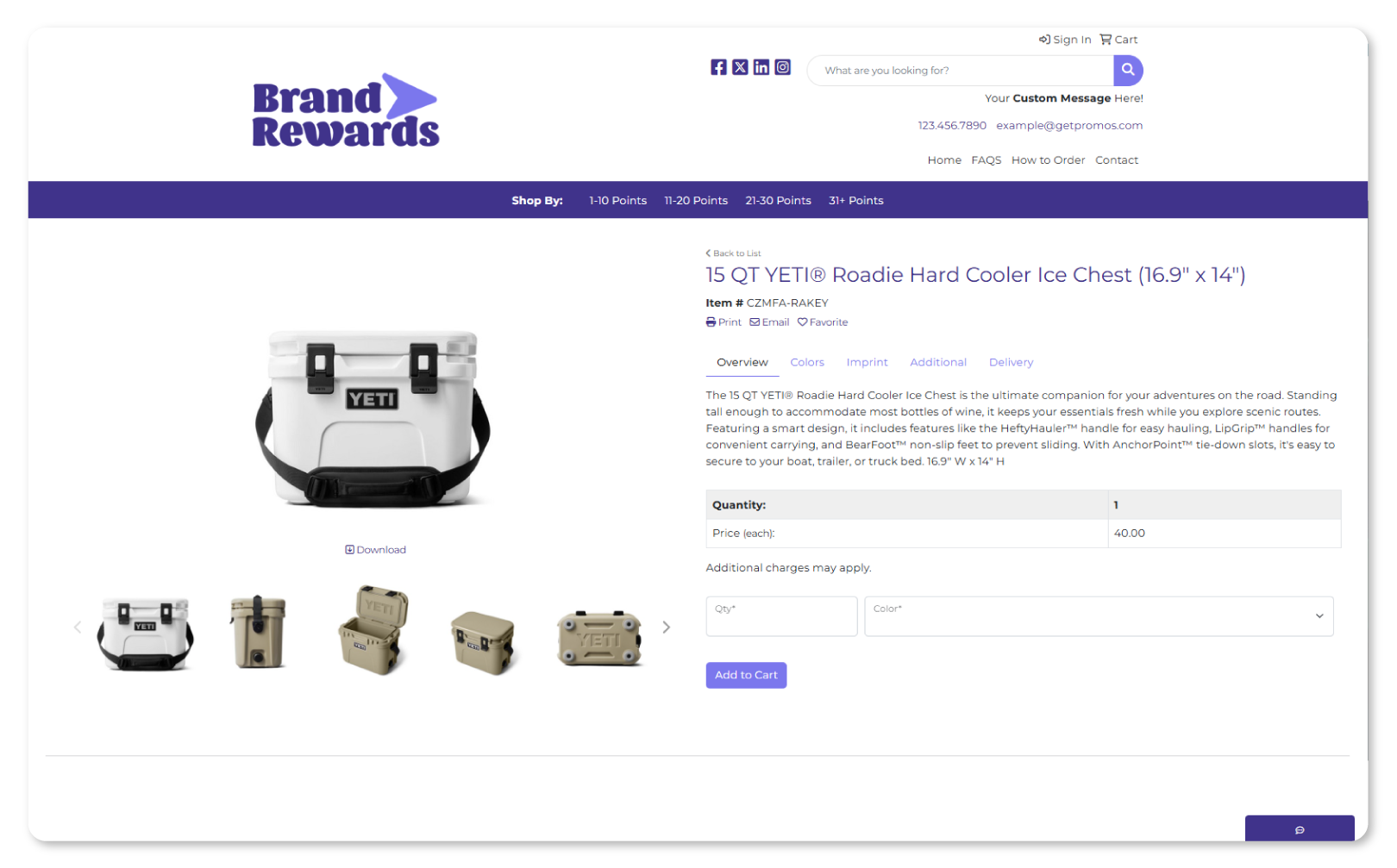
Recognition works best when employees see it as meaningful.
Recognition Feels More Personal
A generic reward just says, “Thank you.” But when employees pick their own reward, it feels more personal and memorable.
Employees Perceive Greater Value
Two rewards that cost the same can get very different reactions. When employees choose their own rewards, they often see more value because the reward matches their interests.
Participation Improves
Employees are more likely to join in recognition programs when they know they have options. Having a choice builds energy and encourages people to take part.
Recognition Reinforces Culture
Recognition programs help encourage the right behaviors. Store-based programs make it easier to see the link between achievements and rewards, which helps organizations build a stronger company culture.
The Experience Matters
Employees often remember the recognition experience just as much as the reward. Looking through rewards, saving up points, and picking something meaningful creates a stronger emotional connection than just getting a generic gift card.
Business Benefits Organizations Can Measure
People often talk about recognition programs in terms of morale and culture, but they can also bring real, measurable business results.
Increased Employee Engagement
Recognition helps employees feel appreciated and more connected to their organization.
Higher Participation Rates
Choice-based rewards frequently lead to higher participation because employees see real value in the program.
Improved Retention
Recognition alone may not solve retention problems, but it can help create a better employee experience and workplace culture.
Greater Administrative Efficiency
Centralized management cuts down on manual work and frees up internal resources.
Better Budget Management
Points-based systems make it easier to track spending and help organizations control costs.
Useful Insights
Store reporting gives data that can guide future recognition efforts and make programs more effective.
Employee recognition is still a top priority for organizations that want to improve engagement, culture, and retention. The challenge is to create a program that feels meaningful for employees and is still easy for employers to manage.
Store-powered recognition programs help solve both of these problems.
Employees get the freedom to choose rewards that matter to them. Employers benefit from a recognition platform that is scalable, measurable, and efficient.
Most importantly, recognition turns into an experience instead of simply a transaction.
In Part 2, we will look at how distributors can present online stores as strategic recognition solutions and help clients build stronger employee engagement programs.
0 Comments