


You’ve probably had this thought before.
A client asks about an online store. You like the idea. It could open new revenue and make you look more modern. But then the questions stack up. How do you build it? What products go in it? How do you manage orders? What if it becomes a time drain?
So instead of moving forward, you pause or avoid offering it altogether.
That hesitation is common. Online client stores can feel like a big leap, especially if you’re used to handling orders traditionally. It seems like you need everything figured out before you begin.
But here’s the truth: you don’t need a perfect, fully built-out store to get started. In fact, trying to do that is what usually holds you back.
There’s a simpler way to ease into it, build confidence, and show real value without taking on a lot of risk. It starts small, controlled, and easy to manage.
You’re about to see how pop-up stores using SAGE Stores give you a clear, low-risk starting point, so you can begin offering online stores without overcomplicating things.
Why online client stores feel overwhelming
Online stores sound simple, until you actually consider offering one.
You’re suddenly thinking about platforms, product selection, pricing, inventory, order processing, timelines, and client expectations. It feels like adding a whole new layer to your business.
That’s where hesitation kicks in:
What if it takes too much time?
What if the products don’t sell?
What if the client doesn’t use it?
These are fair concerns. The issue is assuming you need to solve everything upfront. Many distributors think launching a store means building something big and permanent from day one.
That’s where things go wrong.
You don’t need a perfect system, a massive catalog, or a long-term commitment. You need a simple way to test the waters. Something that delivers value without complexity.
The mistake of trying to do too much too soon
Many distributors get stuck trying to build a comprehensive store right away.
They plan for dozens of products, worry about inventory and fulfillment, and try to map every scenario before the first order even comes in.
It quickly feels heavy.
You’re treating your first store like it needs to be your final version.
But going too big too early increases risk, time investment, and pressure. It slows everything down.
Meanwhile, your client doesn’t need perfection. They want a simple, convenient way to access branded products. Something easy that works.
So instead of building the perfect store, build a small one. Focused, time-bound, and easy to manage.
That’s where pop-up stores come in.
What a pop-up store is and why it works
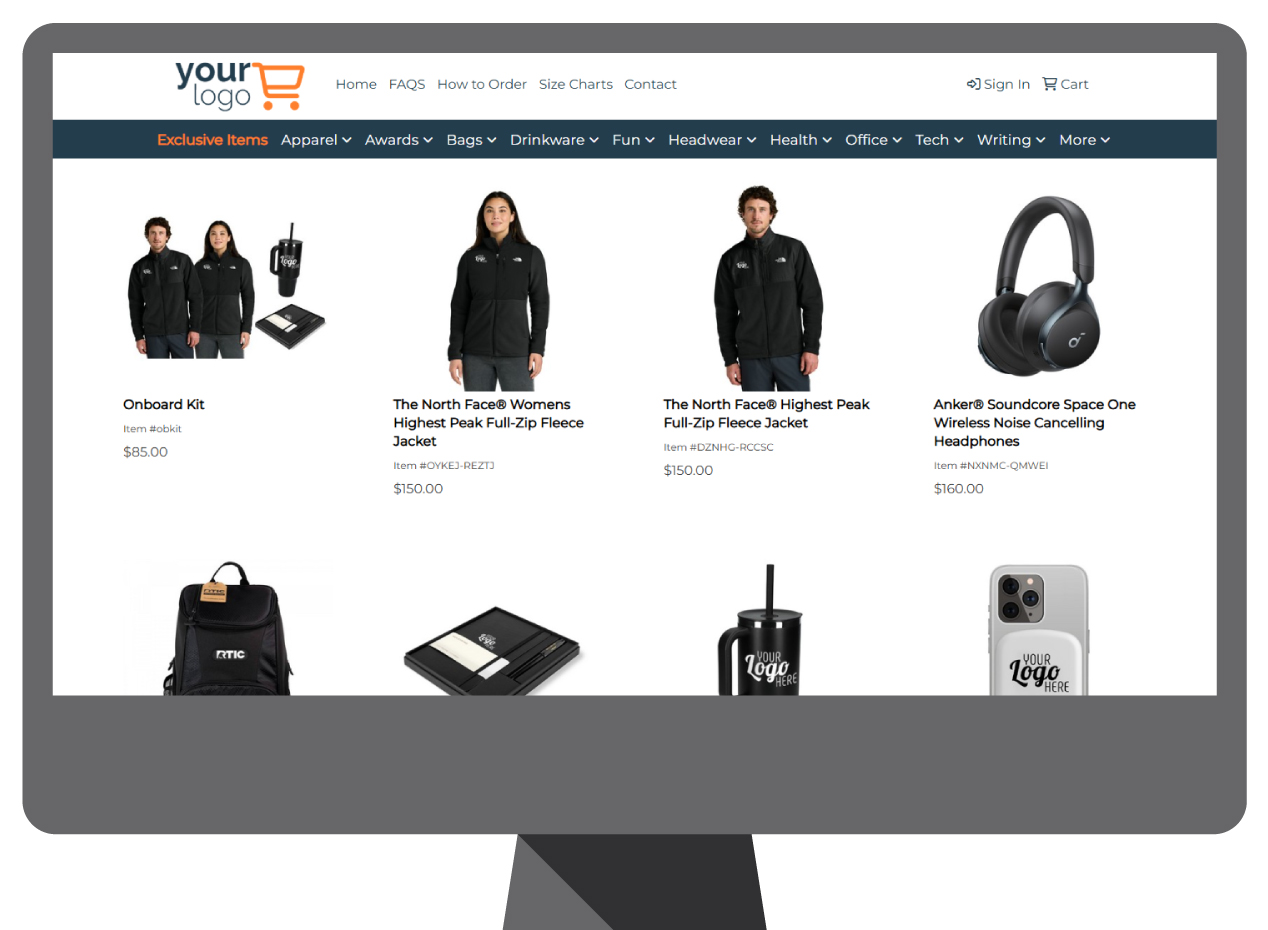
A pop-up store is a simple online store that opens for a set period, then closes.
That could be one week, two weeks, or a month. The key is that it’s temporary.
This changes everything.
Instead of building something ongoing, you’re creating a short-term campaign with a clear start and end.
Why it works:
- Simpler setup: A small, curated product selection
- Built-in urgency: Limited time drives action
- Lower risk: You’re testing, not committing long-term
It’s also easier for clients to say yes. A pop-up doesn’t feel like a big commitment. It feels like trying something new with a clear endpoint.
That makes it the perfect starting point.
Why SAGE Stores make this easy
You might still be wondering how to run this without it becoming a headache.
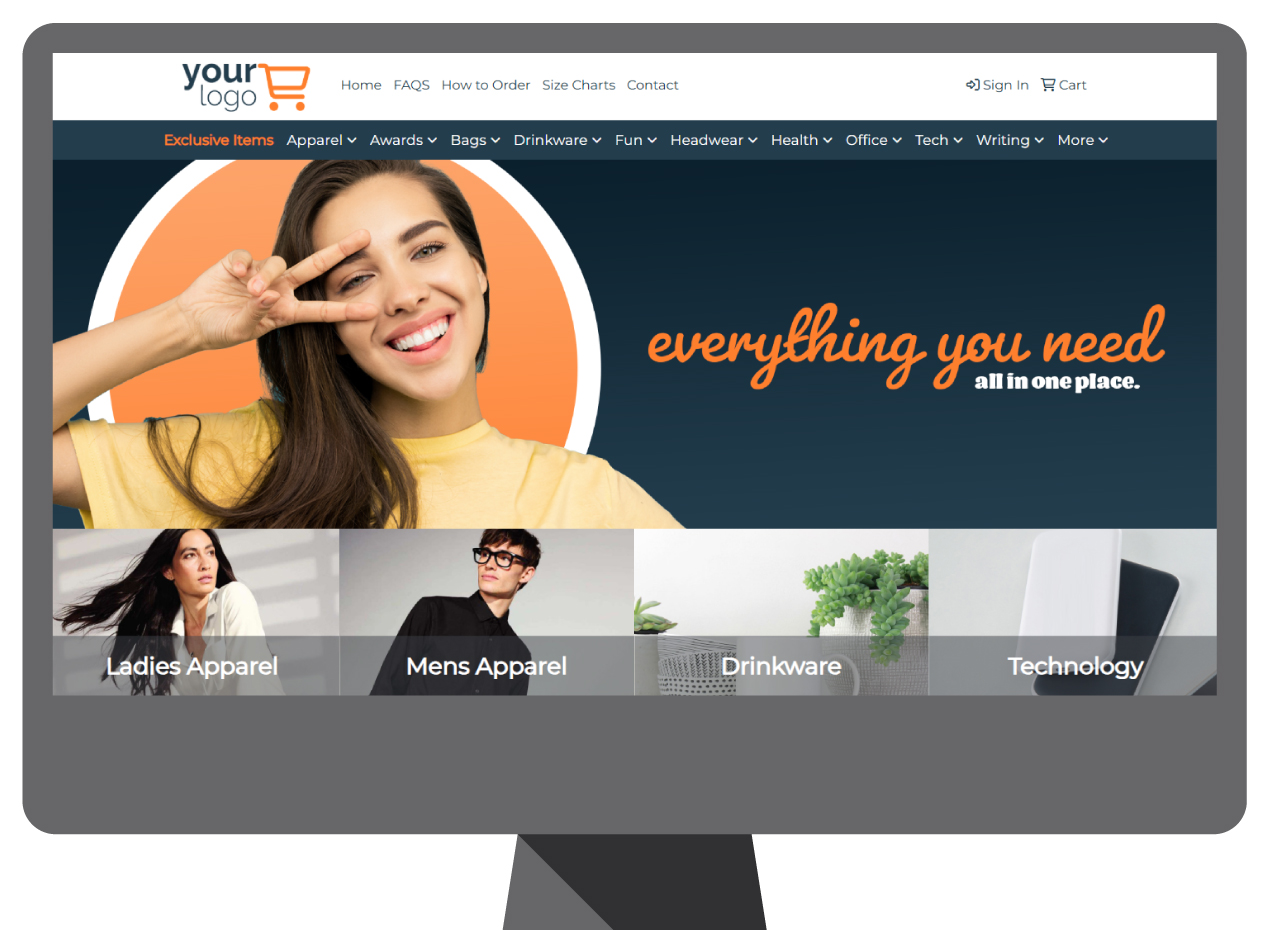
SAGE Stores is designed to remove that complexity. You’re not piecing together tools. You’re using a platform built specifically for promotional products distributors.
For pop-up stores, that matters.
You can quickly set up a branded storefront, add a focused product selection, and control how long it stays open. There is no custom development or complicated integrations.
That simplicity lets you focus on what matters, which is choosing the right products and helping your client promote the store.
It also gives you control. You define timing, products, and experience without it taking over your day.
So instead of asking, “How do I build an online store?” the question becomes:
“Which client should I launch my first pop-up store with?”
How to launch your first pop-up store step by step
Keep it simple:
1. Choose the right client
Start with a client who already orders from you regularly. Ideally, they have a clear use case.
This could be:
- An upcoming event
- Employee onboarding kits
- A seasonal campaign
- Company merch people already ask for
2. Define the purpose
Keep it focused. What is this store actually for?
- “Two-week event store”
- “One-month apparel store”
3. Select a small product set
Start with 5 to 10 solid options. Fewer choices mean easier setup and better results.
Fewer choices means:
- Faster setup
- Easier decisions for buyers
- Less chance of things going wrong
4. Build the store
Based on your subscription, the SAGE Web Team will help set up your store, apply your client’s branding, and ensure the experience is clean and easy to navigate. This step is more straightforward than you might expect, especially when you’re working with a small product set.
5. Set a clear timeline
One week to one month maximum. This creates urgency and keeps things contained.
6. Promote it
Work with your client to plan simple internal promotion:
- Email announcements
- Slack or Teams messages
- A reminder before the store closes
7. Close and fulfill
Batch orders after closing for simpler fulfillment.
8. Review results
This is where the real value comes in.
Look at:
- What sold well
- What didn’t
- How engaged the audience was
Final thoughts and encouragement
If online stores have been on your “I’ll get to it later” list, you’re not alone.
It is easy to think you need the perfect setup before starting, but that is what slows you down.
You do not need perfection. You just need to start.
A pop-up store gives you a simple, low-risk entry point. It helps you test, learn, and build confidence without overcommitting.
More importantly, it changes how you see online stores. Instead of something complex, it becomes something practical you can use right now.
So do not wait.
Pick a client. Define a purpose. Launch a small pop-up store.
That first step is what turns this into something real.
0 Comments