

A lot of distributors begin by focusing on the products in their online stores. However, the most successful ones approach things differently.
Most clients aren’t just looking for an online store. They care more about things like employee engagement, retention, company culture, recognition, and program management.
When distributors show how stores can solve these business challenges, the conversation becomes more strategic.
Below, we’ll explore how distributors can present online stores as platforms for employee recognition, not just as places to buy products.
Recognition Program Ideas Distributors Can Recommend
One of the best things about an online store is its flexibility.
The same platform can handle many different recognition programs across a company.
Service Anniversary Programs
Employees receive points based on years of service and select rewards that matter to them.
Sales Incentive Programs
Stores deliver a structured platform for contests, quarterly goals, and performance awards.
Safety Recognition Programs
Organizations can reward safety milestones, incident-free periods, and participation in safety initiatives.
Wellness Programs
Stores can support:
- Fitness challenges
- Step competitions
- Health screenings
- Mental health initiatives
- Educational workshops
Training and Development
Employees can earn rewards for completing certifications, leadership programs, and training milestones.
Peer-to-Peer Recognition
Coworkers can recognize one another for teamwork, innovation, and effort.
Spot Recognition Awards
Managers can quickly reward exceptional performance without manually sourcing rewards.
Culture and Values Programs
Employees can earn recognition for demonstrating behaviors such as:
- Leadership
- Innovation
- Collaboration
- Customer focus
- Community involvement
A store becomes more valuable to a company when it can support a wider range of programs.
Common Client Objections and How to Address Them
“We Already Use Gift Cards”
Gift cards give rewards, but stores create experiences.
Employees can browse rewards, save points, and make choices, creating greater engagement.
“Our Employees Don’t Want Branded Merchandise”
Modern stores offer much more than just products with company logos.
They can include technology, lifestyle items, home goods, travel products, and premium merchandise.
“This Sounds Complicated”
Many clients think having a store will mean more work for them.
In reality, having everything in one place often makes things easier because rewards and reports are automated.
“We Don’t Have the Budget”
Using a store doesn’t always require a bigger budget.
Many companies simply use their existing recognition budgets more effectively.
“We’re Too Small”
Recognition stores can work for organizations of nearly any size.
They also give companies a flexible foundation that can grow as the company grows.
“How Do We Know Employees Will Use It?”
Letting employees have choices is often the key.
When employees can choose rewards they truly want, they’re more likely to participate.
Lead with Business Problems, Not Products
One common mistake is to start the conversation by listing store features.
Instead, begin by finding out what challenges your client is dealing with.
Ask questions such as:
- How do you currently recognize employees?
- What programs are in place today?
- Are employees participating?
- How much time does administration require?
- What engagement or retention challenges exist?
These conversations help you discover how a store can truly make a difference.
Position the Store as an Employee Experience Platform
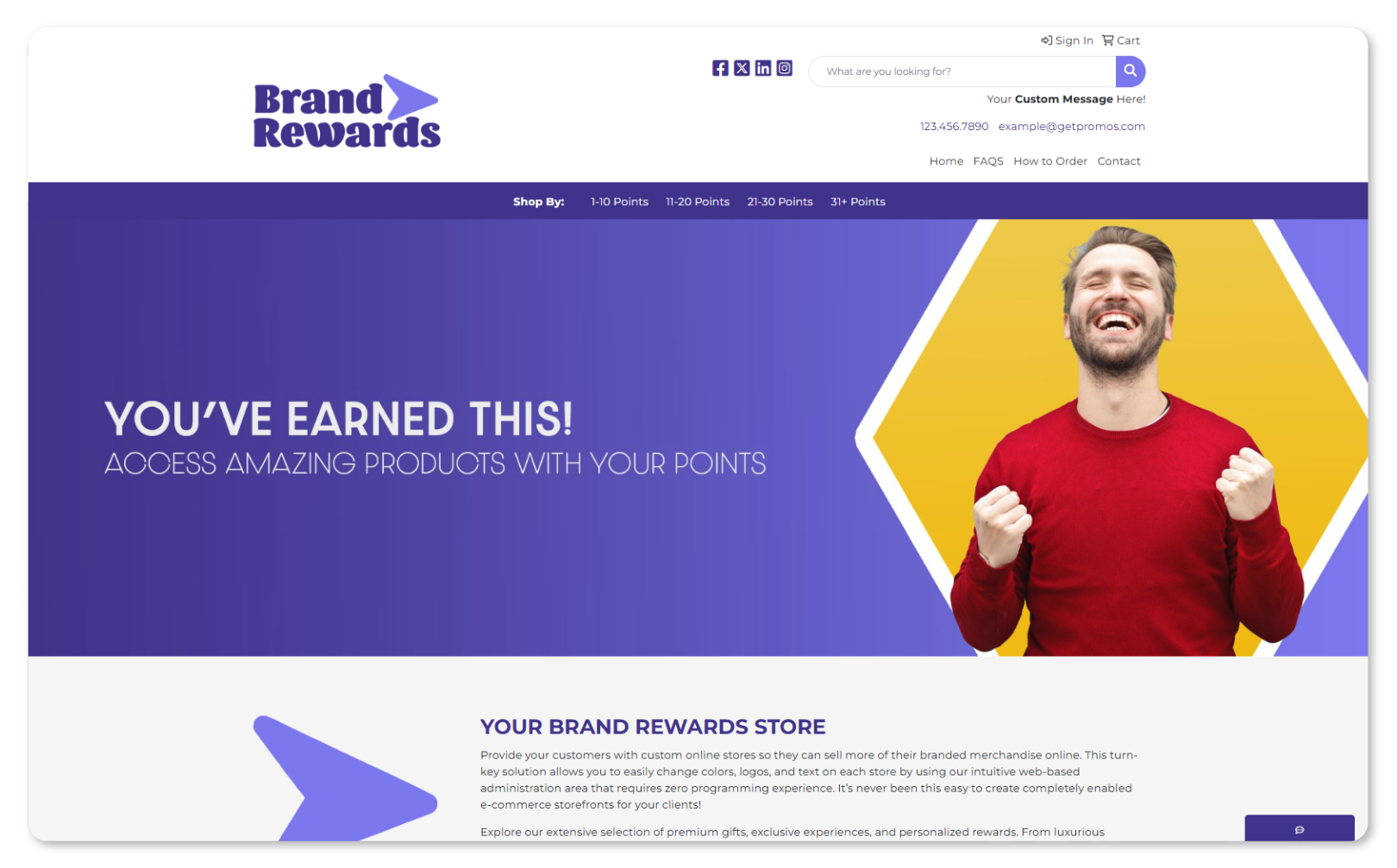
Clients often see stores as simple ordering systems. It’s better to show them as platforms for employee experiences.
The real goal isn’t just to have a store. It’s to improve recognition, engagement, and company culture.
The store is simply the tool that helps make these improvements possible. Shifting your focus in this way can change the entire conversation.
Connect Recognition to Organizational Goals
Recognition has a bigger impact when it’s connected to business goals. For example:
Retention Goals
Recognition helps employees feel valued and appreciated.
Culture Goals
Show how recognition encourages the behaviors and values your company wants to promote.
Performance Goals
Explain how incentives can increase participation and achievement.
Efficiency Goals
Show how a store can reduce administrative work and make managing programs simpler.
When recognition is in line with business goals, leaders are more likely to support it.
Sell Outcomes, Not Features
Clients care less about features and more about results.
Instead of saying:
“The platform supports points-based redemption.”
Say:
“Employees can choose rewards that matter to them, which can increase engagement and participation.”
Instead of saying:
“The platform includes reporting tools.”
Say:
“You’ll gain visibility into participation and employee preferences, helping improve future programs.”
Concentrating on outcomes is much more persuasive than simply listing features.
Expand the Conversation Beyond Recognition
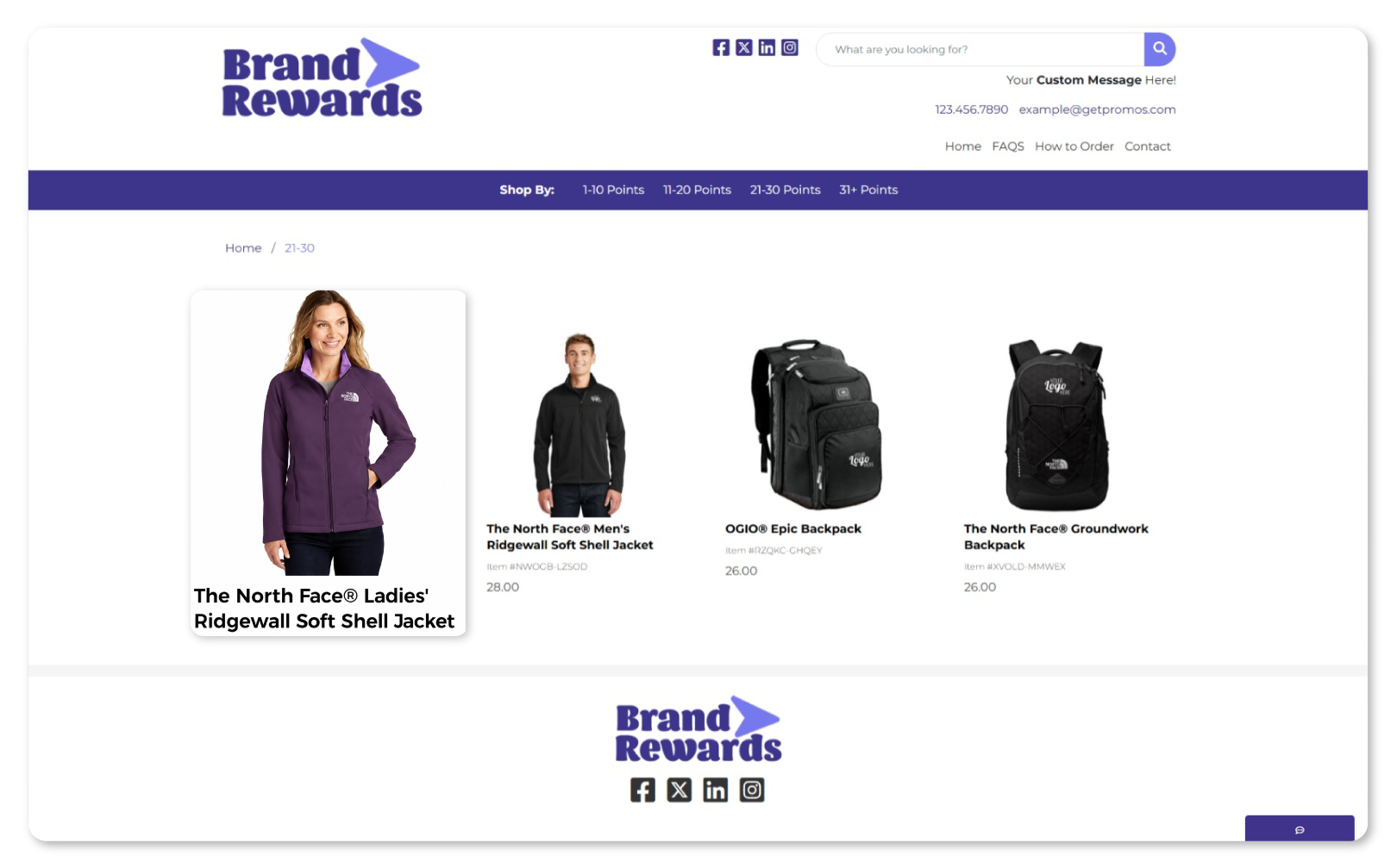
Recognition is usually just the starting point.
Once clients see the value, you can talk about other ways to use the platform:
- Incentive programs
- Safety initiatives
- Wellness campaigns
- Training rewards
- Service anniversaries
- Employee onboarding
- Internal brand-building efforts
This helps clients see the store as a long-term business solution, not just a one-time tool.
Become a Business Partner, Not a Vendor
The strongest client relationships come from helping solve real problems.
When distributors help clients increase engagement, simplify administration, and reach their goals, they become more than just product suppliers.
They become true business partners.
This builds stronger relationships, greater trust, and better opportunities for long-term growth.
Online stores are most valuable when people view them as platforms for recognition and engagement, not just as catalogs.
When distributors connect stores to employee recognition, company culture, retention, and business results, they can have better conversations and demonstrate real value.
The most successful distributors aren’t just selling products.
They’re selling outcomes.
When clients see how a store can help them recognize employees, simplify program management, and boost engagement, the conversation moves from products to business results.
That’s when the best opportunities begin to show up.
0 Comments